

Join us in celebrating 100 years of Veeraswamy at a special lunch on 18 April.
Veeraswamy may not have been the first Indian restaurant in the UK – that was the short-lived Hindostanee Coffee House in Marylebone, opened in 1810 by a Bengali entrepreneur – but it is the oldest surviving one. The Good Food Guide records begin in the 1950s when the restaurant was in its third decade – and had already done much to shape Britain’s understanding of Indian cuisine. That included popularising drinking lager with curry, thanks to a visit in 1926 by Prince Axel of Denmark. He wanted to drink Carlsberg with his duck vindaloo and supplied the restaurant with a barrel each year to ensure supply. As the Guide advised in 1954: ‘nothing should be drunk with curry except cold lager or ginger beer shandy or water.’

Of Sir William Steward (owner from 1934-1967) it was noted: ‘He claims to have travelled 120,000 miles conscientiously eating curries and all other Indian dishes.’ When Steward installed the first modern tandoor oven in the UK (a specific restaurant-style tandoor that was first seen in Delhi in 1947), the 1961 Guide enthused: ‘Your curries are served to you with all the correct trimmings (a most important point) and several experienced members have declared they are among the best now being offered in London; the same is said of the chicken tandoori.’
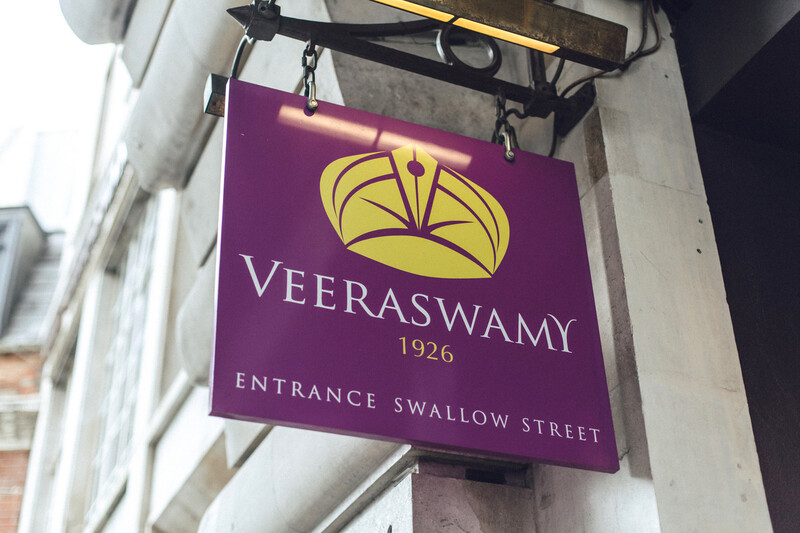
These were golden years. Veeraswamy ‘a distinguished Indian restaurant, where you are greeted with a courtesy which recalls an earlier Indian epoch’, was a glamourous high-end dining destination, its grandiose perch above Regent Street attracting a famous clientele. Yet decline set in after its sale in 1967 and it disappeared from the Guide, a victim of the influx of Bangladeshi curry houses that were fast becoming a staple of the British high street.
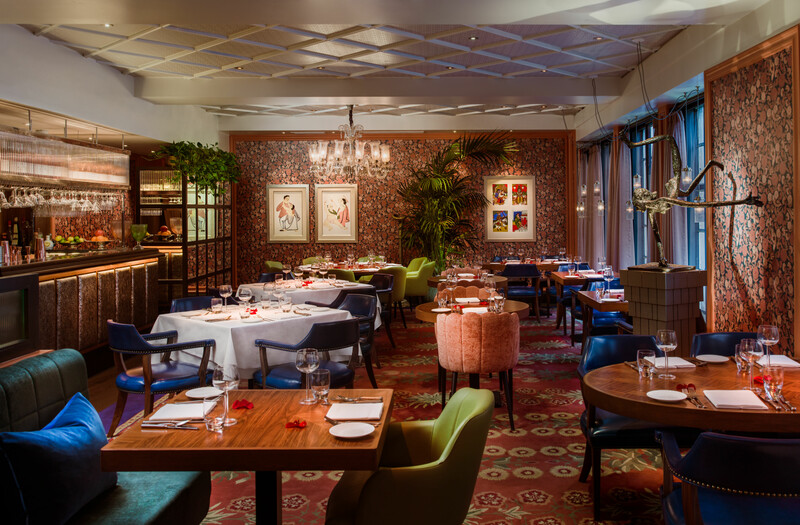
Ranjit Mathrani and Namitha and Camellia Panjabi rescued Veeraswamy in 1996. As the owners of Chutney Mary, Amaya, and several informal Masala Zones, they were widely recognised for trail blazing the Indian dining experience in the UK and soon cemented Veeraswamy’s status as a culinary landmark. In 1999, after a gap of more than 30 years, Veeraswamy was once again listed in The Good Food Guide – and currently has a ‘very good’ rating – and was awarded a Michelin star in 2016.
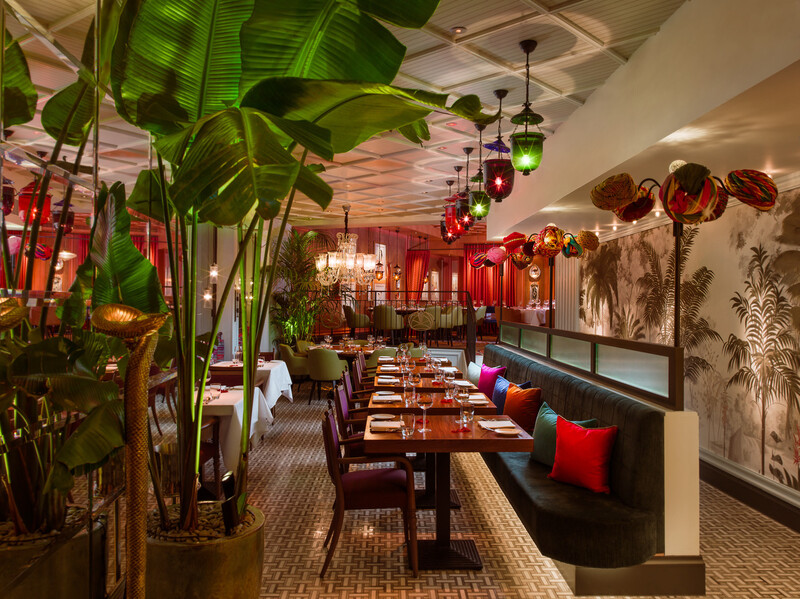
‘I took my mother along who had last eaten there in 1953 when it was a special treat to celebrate the passing of the dread 11+ exam,' a Guide reporter noted in 2018, giving some indication of the venerability of Veeraswamy and the way its tradition can intersect in a surprising, personal way. It seems incomprehensible that this unique restaurant should now be fighting for survival just because the Crown Estate want to turn the building into offices.
Join us in celebrating 100 years of Veeraswamy at a special lunch on 18 April.





