


With Cask Ale Week 2026 putting Britain’s national drink back in the spotlight, beer writer Pete Brown asks why a beer deeply rooted in British drinking culture is so often misunderstood. The answer lies in what makes cask unique: it’s fresh, living and finished in the pub, where the skill of the brewer, the care of the cellar and the character of the beer all come together.
What could be more British than a pint of foaming ale, drawn from a handpump, in a traditional British pub? It’s one of the first things foreign tourists look for as soon as they’re off the plane. At home, even people who don’t drink beer believe a pub is not a ‘proper pub’ unless it has a row of wooden hand-pulls on the bar.
But real ale – properly known as ‘cask ale’ – has had a bad rap in recent years. It attracts negative stereotypes, and even some of its biggest fans misunderstand what sets it apart. Now there are signs of it showing a resurgence, with very good reason. For lovers of food and drink more broadly, it ticks every single box that currently matters: local provenance, small-scale production, traditional craft methods, and a flavour and character you simply can’t find in mainstream, mass-produced alternatives.
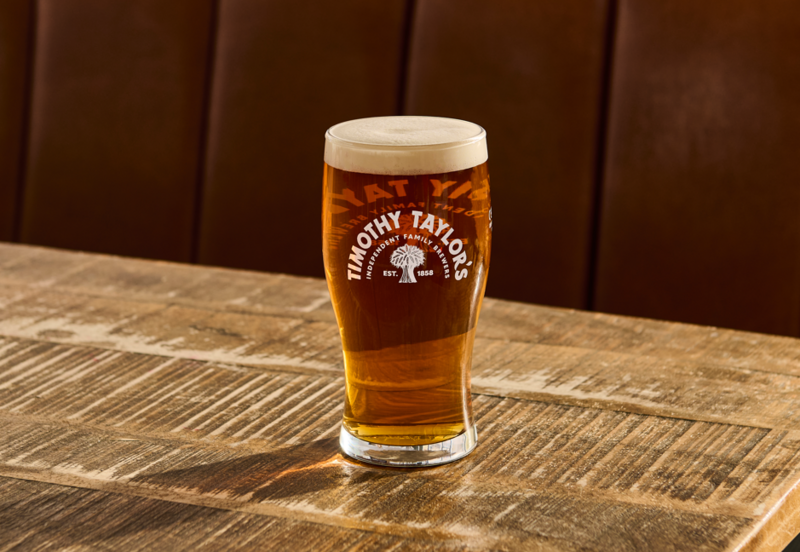
First, what exactly is cask ale?
Let’s get the technical bit out of the way first, because it’s not really that technical, and it makes sense of everything else. Any alcoholic drink starts with the fermentation of sugars derived from plants, by yeast. If those sugars come from fruit, you’ve got wine; from grain it’s beer.
Traditionally, beer was brewed locally. It was brewed to be drunk fresh, and would spoil after being open for a few days, just like a pint of milk would if you left it open and unrefrigerated, because it still has live organisms in it. In the mid-twentieth century, a series of massive mergers created national breweries in the UK for the first time that wanted to sell their beers on a national scale. This meant they had to extend the shelf-life of that beer. So like milk or fruit juice, they were pasteurised, filtered and made sterile. Okay, so they didn’t taste quite as good, the way UHT milk doesn’t taste as good as fresh. But they lasted a year rather than a few weeks, and could be shipped and stored far more efficiently in pressurised kegs. Most beer – both lager and ale – is made this way today, carbonated manually by CO2.
Cask ale is brewed the same way as other beers, but isn’t filtered or pasteurised at the end. Instead, it’s sealed in an unpressurised cask, (traditionally wood, but now aluminium or stainless steel) maybe with the addition of a little more yeast. When the cask is sealed, the yeast goes into a kind of suspended animation. It wakes up to find itself in a pub cellar, the cask having been ‘tapped’ to allow air to enter. Oxygen revives the yeast, and it starts a slow, secondary fermentation inside the cask, at the pub. This is where the beer is actually finished. This fermentation creates natural CO2, which gives the beer a gentle sparkle rather than an aggressive fizz. It’s kept between 11-13°C, served cool rather than cold. It’s often said cask is warm and flat. If it is, you’re drinking it in a pub that’s not keeping it properly.
What’s the point of all this extra effort? The same as any other comparison between pasteurised and unpasteurised versions of the same product. It’s drunk fresher. Also, it’s more complex, with more going on in the beer. A perfect pint of cask has a subtlety you rarely find in other beers – certainly any other beer at the equivalent relatively low strength.
Why fresh beer tastes different
What does this actually mean on the palate? A good example would be Timothy Taylor’s Landlord, which begins with a complex citrus fruit aroma, leading into a smooth, slightly sweet but rounded body and ending with a lingering but gentle bitter finish. What sets cask ale, and Landlord in particular, apart from other beers is the balance between these different elements. It’s complex enough to be interesting, always offering something new, but smooth and balanced enough to be highly drinkable. Maybe that’s why Landlord became the UK’s biggest-selling cask ale by value in 2024, and the biggest by volume a year later.
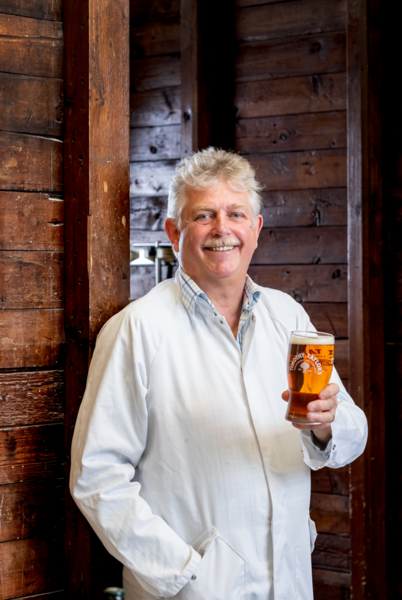
This was hardly an overnight success story. “For 168 years, Timothy Taylor’s has held to a simple belief: if you brew great beer properly, people will keep coming back to it,” says head brewer Andy Leman. Landlord was first brewed in 1953, and grew steadily in popularity. It was voted Champion Beer of Britain four times between 1982 and 1999, becoming a cult beer that, until recently, people had to seek out. In recent years, its fame – and its availability – have spread nationwide.
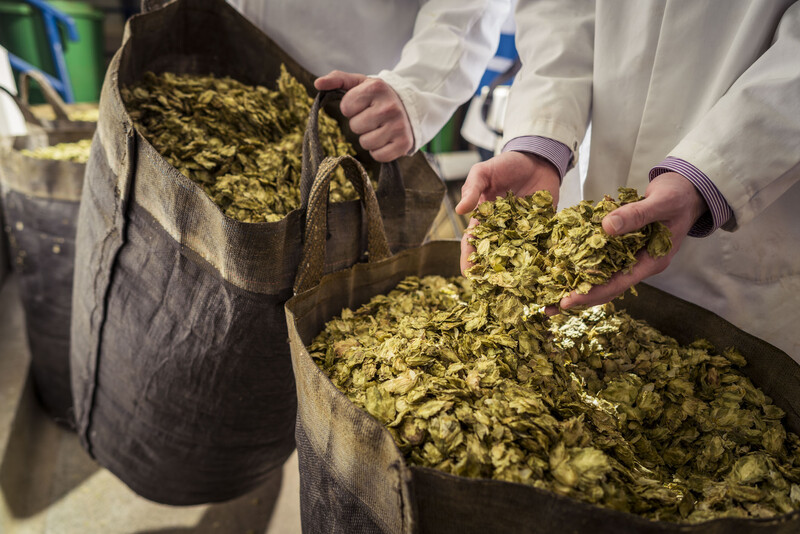
Cask ale itself takes extra care and effort. Landlord takes even more care and effort compared to most of its competitors. What’s the secret? “There is a real story behind every pint,” says Leman. “We still brew using water drawn from our historic Knowle Spring, Golden Promise barley, whole-leaf hops and our unique Taylor’s Taste yeast.”
Hang on, I think there’s a bit of false modesty going on here. Sure, the ingredients are good quality. But all brewers talk about “the finest quality malt and hops” on their bottle labels. Many brewers have a unique yeast strain and use whole leaf hops (as opposed to pellets or extract), and any brewer could brew with Golden Promise barley, though many would say it’s not the best barley for a pale ale such as Landlord. There’s more to it than that, surely.
The ingredients are only half the story
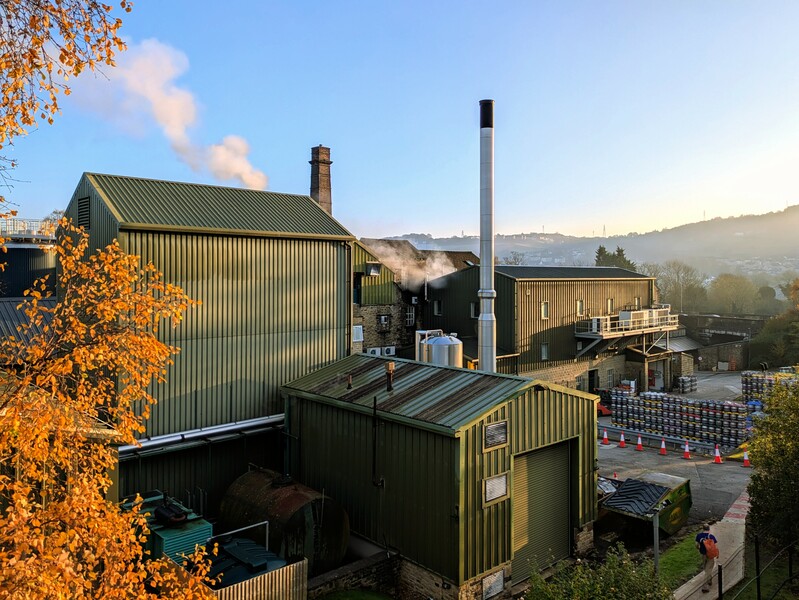
Having visited the brewery, I was also struck by the attitude to the job in hand: an obsession with cleanliness, an attention to detail, a genuine belief in doing the right thing rather than the easy thing. Again, this doesn’t sound conclusive when you break it down in this fashion. But when you put it all together, it’s far greater than the sum of its parts. It is, dare I say it, the epitome of ‘craft’ in action.
And the job doesn’t end when the beer leaves the brewery gates. “Because cask is a living product, we invest in temperature-controlled transport, technical support, cellar training, and our Perfect Pour programme, working closely with publicans to make sure Landlord reaches the bar in the condition we intend,” says Leman.
This, more or less, completes the picture. A perfect pint of cask beer is about more than brewing. If there’s a strong ‘farm to fork’ philosophy in good food just now, Landlord’s success demonstrates that an equivalent philosophy, which we might call ‘grain to glass’, exists in beer. The quality of the ingredients, the skill, attitude and intention of the brewer, and the standards maintained in the pub cellar and the care and attention given to the ‘Perfect Pour’ are all essential ingredients in every exceptional pint.
There’s a frustrating paradox in beer appreciation. Beer is, and should be, an everyday treat, an approachable, democratic, affordable indulgence. But that means beer is often not taken as seriously as other food and drink products. It’s “just beer.” It’s certainly not afforded the same respect as wine, even though we drink far more of it, and it’s more complex to make. Beer should be taken more seriously. But if we do take it more seriously, are we at risk of destroying its simple, straightforward appeal? Landlord’s 73-year-long rise to the top suggests that, with cask ale, this paradox can be solved. And the solution tastes wonderful.
Pete Brown is an award-winning British author, journalist and broadcaster specialising in beer, food and drink. He has written 14 books, including Man Walks into a Pub, Hops & Glory and The Pub, and writes a weekly beer column for The Sunday Times Magazine. He has been named British Beer Writer of the Year four times and is chair of judges for the World Beer Awards.





